BACKGROUND
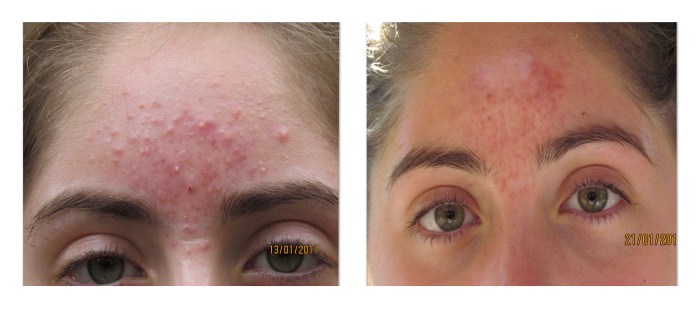
- estimated 85% population of teens will experience acne or a problematic skin condition
- in children sebaceous glands are inconspicuous, as puberty begins they enlarge – with that there is an increase of sebum (oil)
- Oil provides a growth medium for Probionibacterium acnes – which is a anaerobic bacteria (lives with no air) this is all normal skin bacteria
- that is an environment full of lipids, triglycerides, free fatty acids, and glycerol
- the negative to this is when you are a teenager these p.acnes can have an inflammatory/comenogenic affect on the skin if there are lots of them
- this then in turn causes a release of a chemical which in turn causes a “foregin body alert” within the folicle – hence causing white blood cells to come into the scene – inflammatory response which can flow onto the surrounding areas.
AGGRAVATOR OF ACNE
- dehydroepandrotestoterone sulphate – DHEA AN ADRENAL ANDROGEN – major cause of bad acne, as you get older the hormone levels will reduce.
- androgen is male hormone. Girls who have an excess of excessive androgens may have a history of post adolescent acne
FOR MORE INFORMATION ON MANAGING TEEN SKIN DOWNLOAD FACT SHEET
TEEN SKIN FACTS AND MYTHS
- Breakouts are normal in your teens – around 85% will experience some sort of skin problem between ages of 15-24 years of age
- There is usually more than one factor which contributes to breakouts. The body is complex and relies on numerous systems to work efficiently learn to think of your skin as a part of a whole, not as a single entity you need to scrub, burn, pick and rub away
- Breakouts and acne does not define you as a person. You are more than that and skin management will help you through those years and will help maintain good skin health for all your years
- Chocolate will not make you breakout unless you have a intolerance to it
- Acne is not contagious or infectious
MANAGING TEEN SKIN DAILY ROUTINE
What you need to do 2 x a day:
Cleanse your skin with a mild cleansing product – gently
Why:
- Removes excess oil, dirt, grime, dead skin cells, sweat and pollution from the skin
Use an alcohol free toner one that calms, purifies and exfoliates the skin the skin
Why:
- Helps normalise skin, depending on the product it may exfoliate, hydrate, moisturise, purify and/or act as an antibacterial agent
Protect the skin with a light moisturiser, preferably containing vitamin A and/or salicylic acid.
Why:
- Your moisturiser should act as a skin normaliser, hydrating and moisturising the skin, and/or correcting the skin condition present. Good skincare practitioner should be able to give you a product to suit your needs
Extra treatment plan:
- Use a sunscreen when needed
- Use a spot treatment or mask treatment when needed – which on a teen skin may be, daily for spot treatments and possibly 3x weekly for mask treatments.